For parents
How to make math practice fun, without your child hating it
By Mr. Hafiz · 5 min read
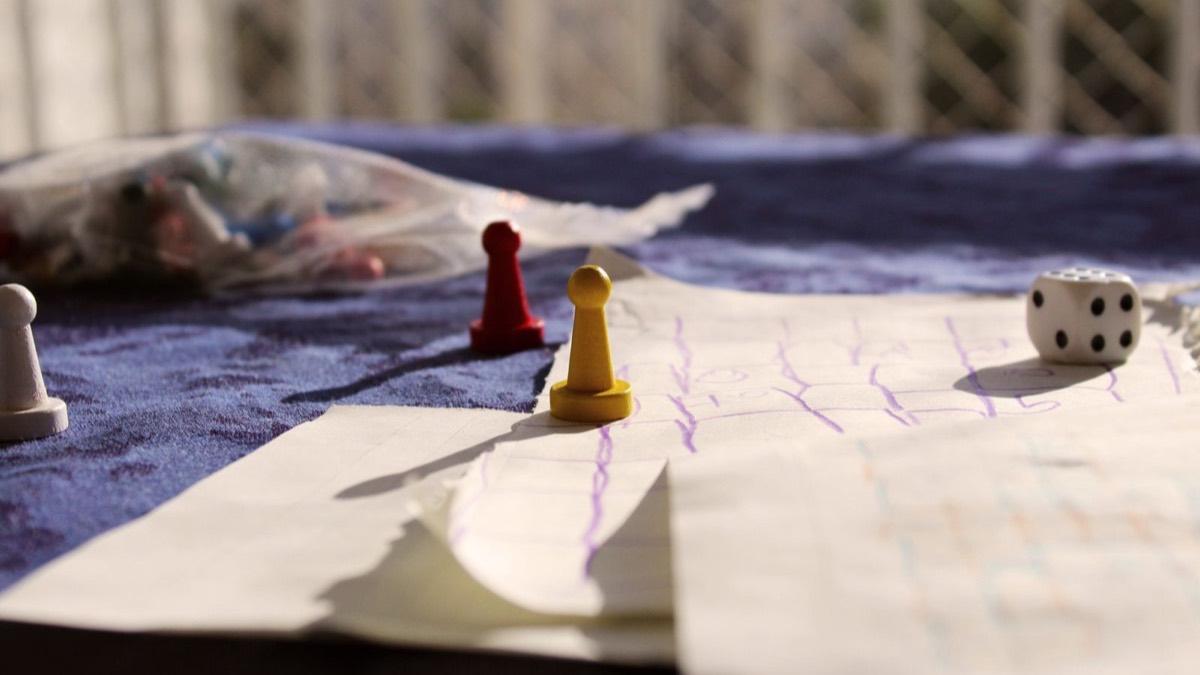
Your child doesn't have to love math. They just can't be allowed to hate it. That is the goal I care about most, because they will need math through Grade 12, in university, and in daily life. If they come in with a negative view of it, they won't enjoy it, and a child who has given up on math tends to give up on a lot more.
So how do we get practice in without a fight every night?
Why practice matters
Understanding an idea is not too hard. Keeping it is the challenge. A child can follow a lesson on Tuesday and have lost it by the following month, and then the next lesson builds on top of something that has slipped. They don't want to be left out, so they go along with it. Most won't ask for help.
Reinforcement is the answer. Seeing an idea again and again, in small amounts, is what makes it stay. The question is how to get a child to do that when they have no interest in it.
Combine what they already like
Children like games. So the idea is simple: put the idea you want them to keep inside something they already enjoy. They reinforce the concept while they are having fun, and they begin to link math with something good instead of with numbers on a board.
Here are four ways to do it without any screens.
- Card games. Take out the face cards from a deck. Each player flips two cards, and the first to say the sum (or the product) wins the pair.
- Dice games. Roll two dice and add, subtract or multiply them. The worked example below is one.
- Kitchen math. Halve a recipe or double it, and talk about the fractions as you go.
- Stump the parent. Let your child make up questions for you, and make a mistake now and then so they can catch it. Kids love catching a grown-up.
Short bursts beat long sessions
Five minutes, most days, is better than forty minutes once a week. A short burst has a clear end, so it doesn't feel like a punishment. It also fits around dinner, on the drive to school or while the kettle boils.
A few rules that help:
- Stop on a win. End when they got something right, not when they got frustrated.
- Keep it light. You are not marking anything.
- Let them choose the game sometimes.
- If they are tired or upset, skip tonight. Tomorrow is another chance.
A worked example: Race to 100
This is a game for two players, for children who know their times tables up to 6 or so. You need two dice, paper and a pencil. Each player rolls both dice, multiplies the numbers, and adds the product to their running total. The first player to land exactly on 100 wins. Here is how one player's game might go.
How does a player reach exactly 100?
- Round 1: roll 6 and 4. 6 × 4 = 24. Total: 24.
- Round 2: roll 5 and 3. 5 × 3 = 15. Total: 24 + 15 = 39.
- Round 3: roll 6 and 6. 6 × 6 = 36. Total: 39 + 36 = 75.
- Round 4: roll 2 and 5. 2 × 5 = 10. Total: 75 + 10 = 85.
- Round 5: roll 3 and 5. 3 × 5 = 15. Total: 85 + 15 = 100.
Answer: After five rounds the total is exactly 100.
Every round is a multiplication fact and an addition, so your child gets about ten small bits of practice in a few minutes without being asked to "do practice". To make it harder, say the rule that they must land on exactly 100 and can't go over. When a total is close, they have to think: "I'm at 85. What do I need?"
Try this at home tonight
- Find two dice and a piece of paper. No dice? Use a deck of cards with the face cards removed.
- Play Race to 100 for about five minutes. Let your child go first.
- Keep the score on paper so they can see the totals grow.
- Make one mistake on purpose, and let them catch you.
- Stop on a win, then say, "Same time tomorrow?"
If it goes well, repeat it a few days this week, and try a new game next week.
When they still push back
Don't push harder. Go back a step. If the game is too hard, drop to easier numbers. If it is too easy, add a twist. And never call a child bad at math. They haven't been given the tools yet, and we can fix that.
Free games on a screen can help too. Tutorizer's math games are free, and they are built so that children practice while they play. You can try them.
Next steps
If you'd like to see what your child knows and what needs practice, take the free 15-question check-in. It has no mark and it points to what is solid and what needs a little work, so your five minutes a day go to the right place.
If a few topics are shaky, the Toughest Topics small-group courses cover the hardest ideas of each grade, live on Zoom. We find out where your child is first, and I don't want to take your money if they don't need it.
Practice with the free math games, no card needed.
Play the free gamesNot sure where your child stands? Start with a free 15-question check-in. It takes about 15 minutes, has no mark, and shows what is solid and what needs practice.
Start the free check-inWant live help? Take a look at Grade 3 Toughest Topics, taught live on Zoom in a small group.
See the program